Science News
 American
Science News for 14 May 2021
American
Science News for 14 May 2021
Could we build a real-life Jurassic Park?
Live Science - 14 May 2021 18:32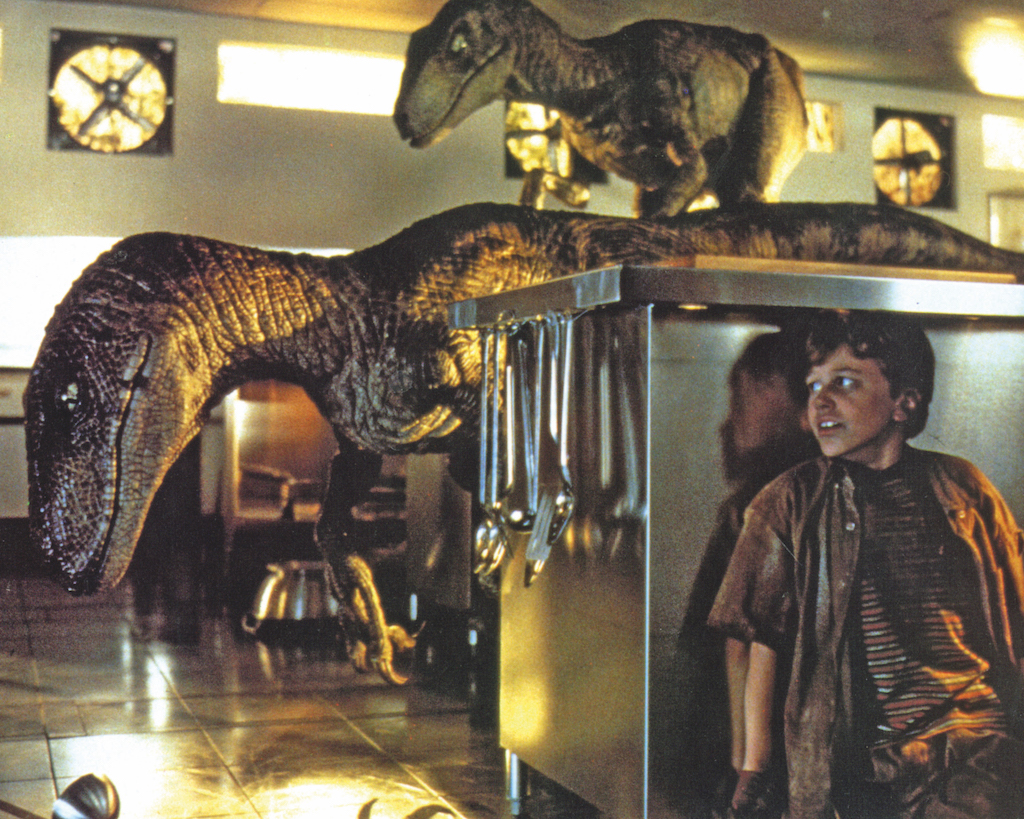 Advances in science could make it possible to bring the dinosaurs back to life.
Astronomers may have found black holes that formed soon after big bang
New Scientist - 14 May 2021 17:30
We have now detected gravitational waves from 47 pairs of black holes smashing together, and nearly a third of them may be strange primordial black holes
What Does Your Voice Say About You? Study Links Personality Traits to Voice Characteristics
Neuroscience News - 14 May 2021 23:54 A new study reveals a link between vocal characteristics and individual personality traits. Those with deeper voices were more dominant, extroverted, and tended to rank higher in sociosexuality. Researchers found no diff...
After a Chinese zoo covered up a leopard escape, 100 chickens are searching for the big cat
Live Science - 14 May 2021 23:15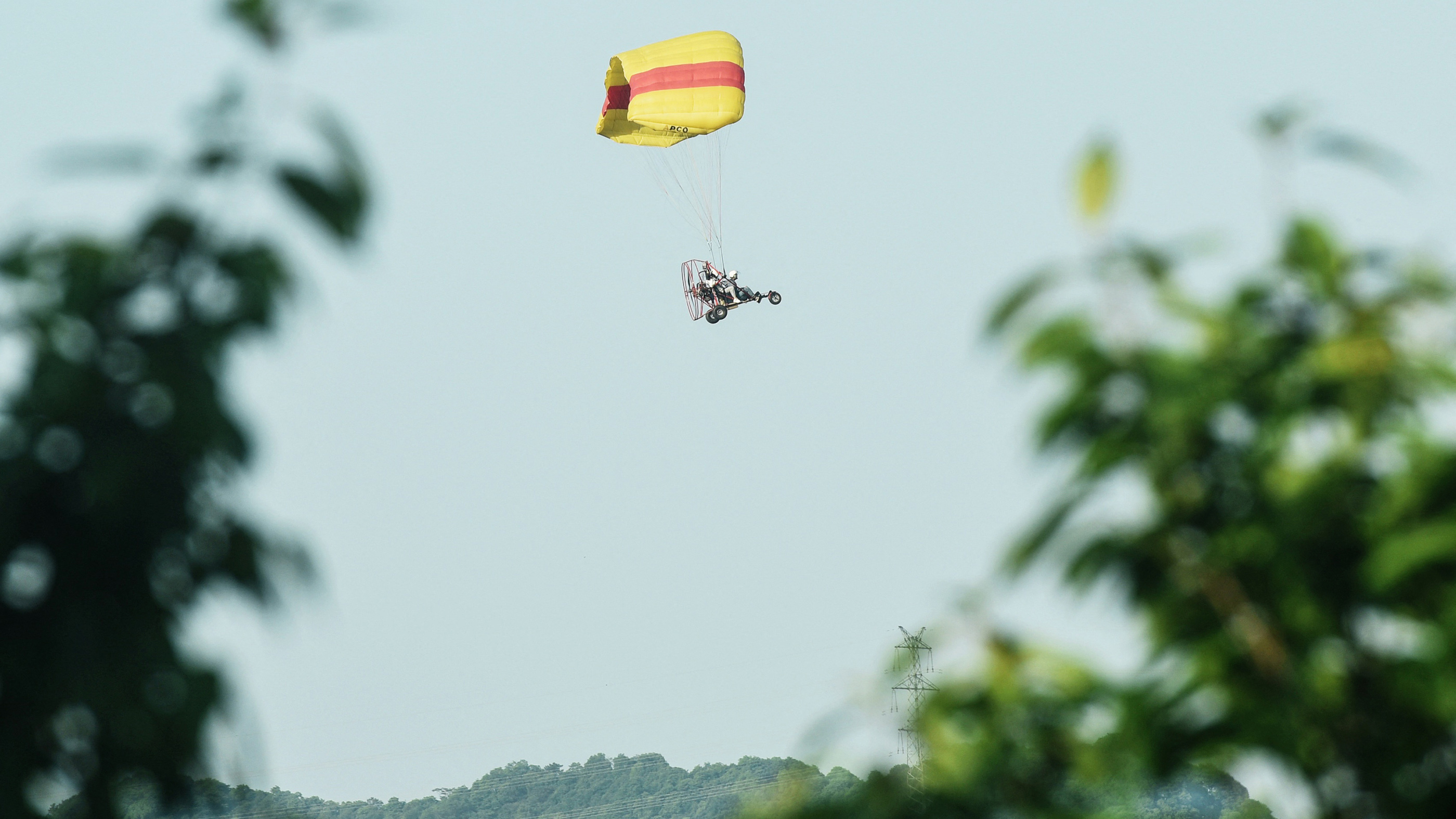 A China zoo covered up this leopard's escape. And now, three weeks later, they have chickens and drones searching for it.
Our Dreams' Weirdness Might Be Why We Have Them
Neuroscience News - 14 May 2021 23:03 Inspired by techniques to train deep neural networks, researchers have proposed a new hypothesis of dreaming. The hypothesis suggests the strangeness of our dreams may help our brains better generalize our day-to-day exp...
Researchers Observe New Complexity of Traveling Brain Waves in Memory Circuits
Neuroscience News - 14 May 2021 22:45 A new micro-grid recording device allowed researchers to measure hippocampal activity in epileptic patients. They found brain waves travel back and forth across the brain structure, integrating messages from different ar...
Childhood Abdominal Pain May Be Linked to Disordered Eating in Teenagers
Neuroscience News - 14 May 2021 22:04 Children aged between 7 and 9 who experience frequent abdominal pain are more likely to develop fasting habits and eating disorders to help control their weight by age 16.
The Eyes Offer a Window Into Alzheimer's Disease
Neuroscience News - 14 May 2021 21:40 Retinal scans can help researchers detect Alzheimer's disease and track its progression in those with the APOE4 genetic risk factor for the neurodegenerative disorder. The scans can detect blood vessel deterioration link...
Politically Polarized Brains Share an Intolerance of Uncertainty
Neuroscience News - 14 May 2021 21:05 For politically polarized people, their brain activity syncs up with like-minded people who share their political ideologies to perceive information in the same way. However, and regardless of political affiliation, thos...
Early signs of Parkinson's disease could be spotted in the nose
New Scientist - 14 May 2021 20:00
A nasal swab, similar to those used in coronavirus testing, may be able to detect the first signs of Parkinson's disease by identifying misfolded proteins
New pre-clinical model could hold the key to better HIV treatments
Science Daily - 14 May 2021 19:42
Researchers have developed a unique pre-clinical model that enables the study of long-term HIV infection, and the testing of new therapies aimed at curing the disease.
New research optimizes body's own immune system to fight cancer
Science Daily - 14 May 2021 19:42
A new study shows how engineered immune cells move faster to attack tumors.
Astronauts may finally start cleaning their space underwear (with microbes)
Live Science - 14 May 2021 19:33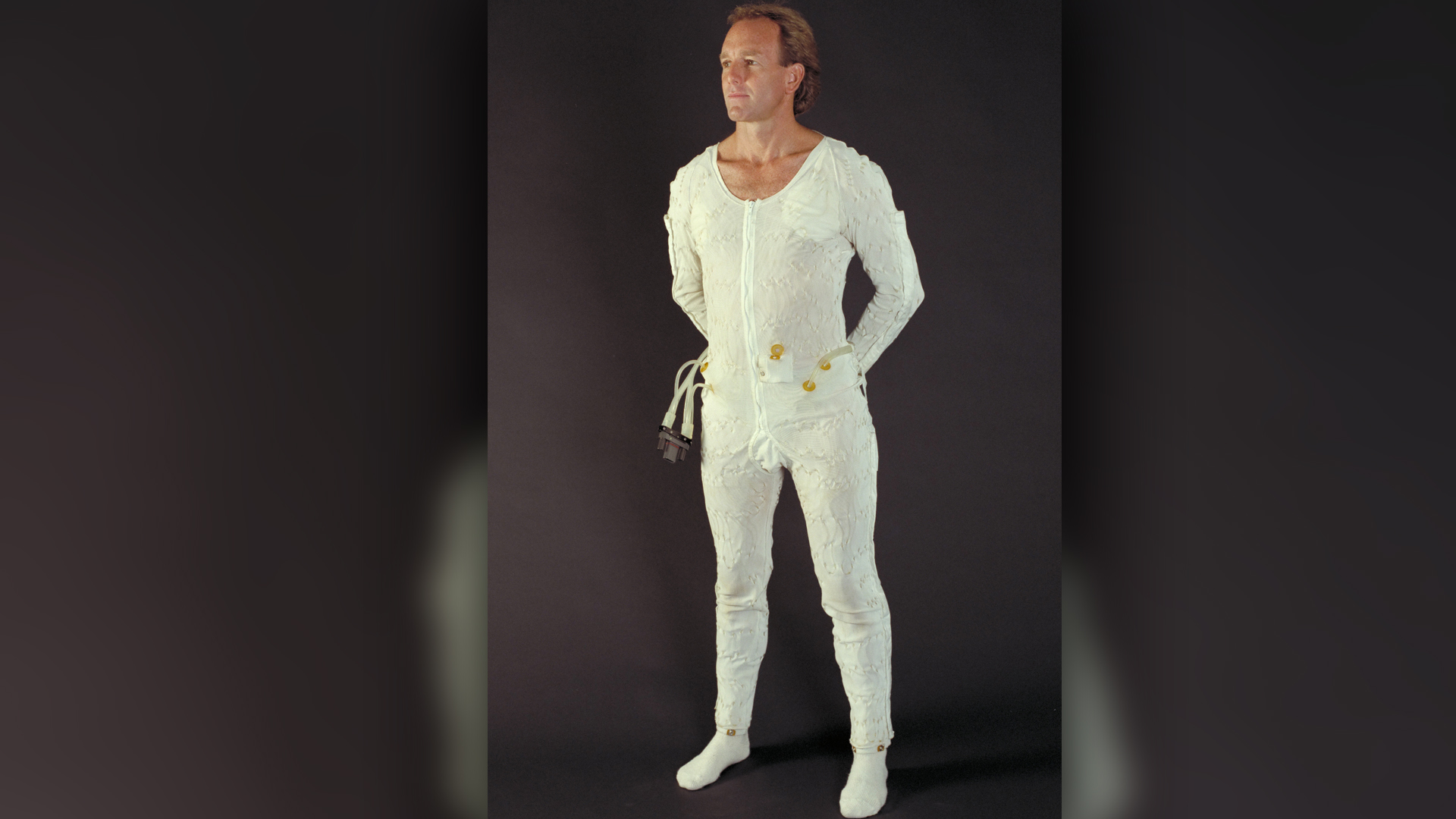 Bacterial compounds could provide antimicrobial protection in undergarments shared by astronauts during spacewalks.
This chain reaction could explain rare blood clots linked to some COVID-19 vaccines
Live Science - 14 May 2021 19:24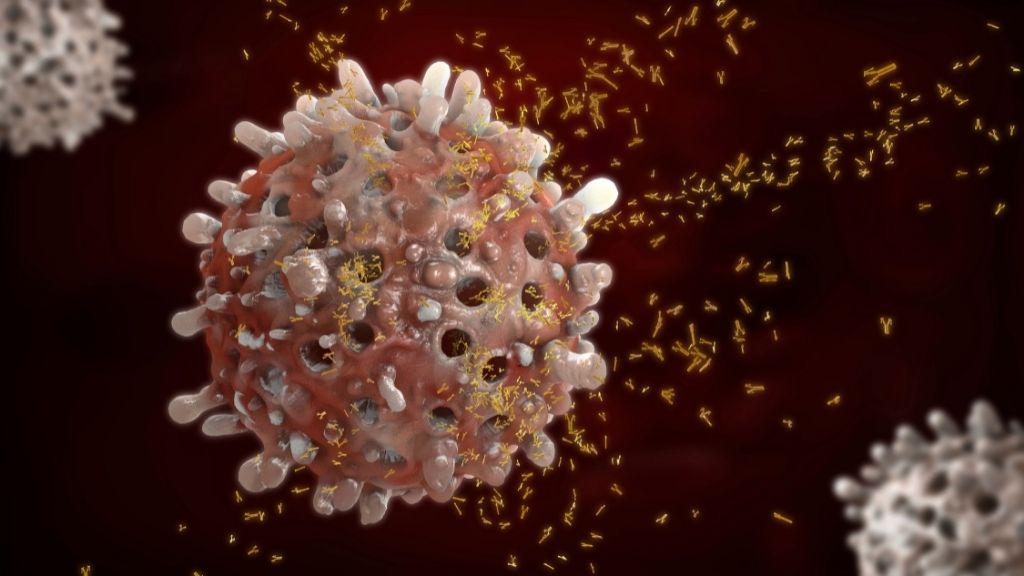 While plausible, this hypothesis still needs to be confirmed.
Herodotus lied about famous Greek battle against Carthage, new study finds
Live Science - 14 May 2021 19:16 The ancient Greeks used mercenaries in a key battle, contrary to what the famed historian Herodotus said.
Chernobyl's nuclear fuel is 'smoldering' again and could explode
Live Science - 14 May 2021 19:00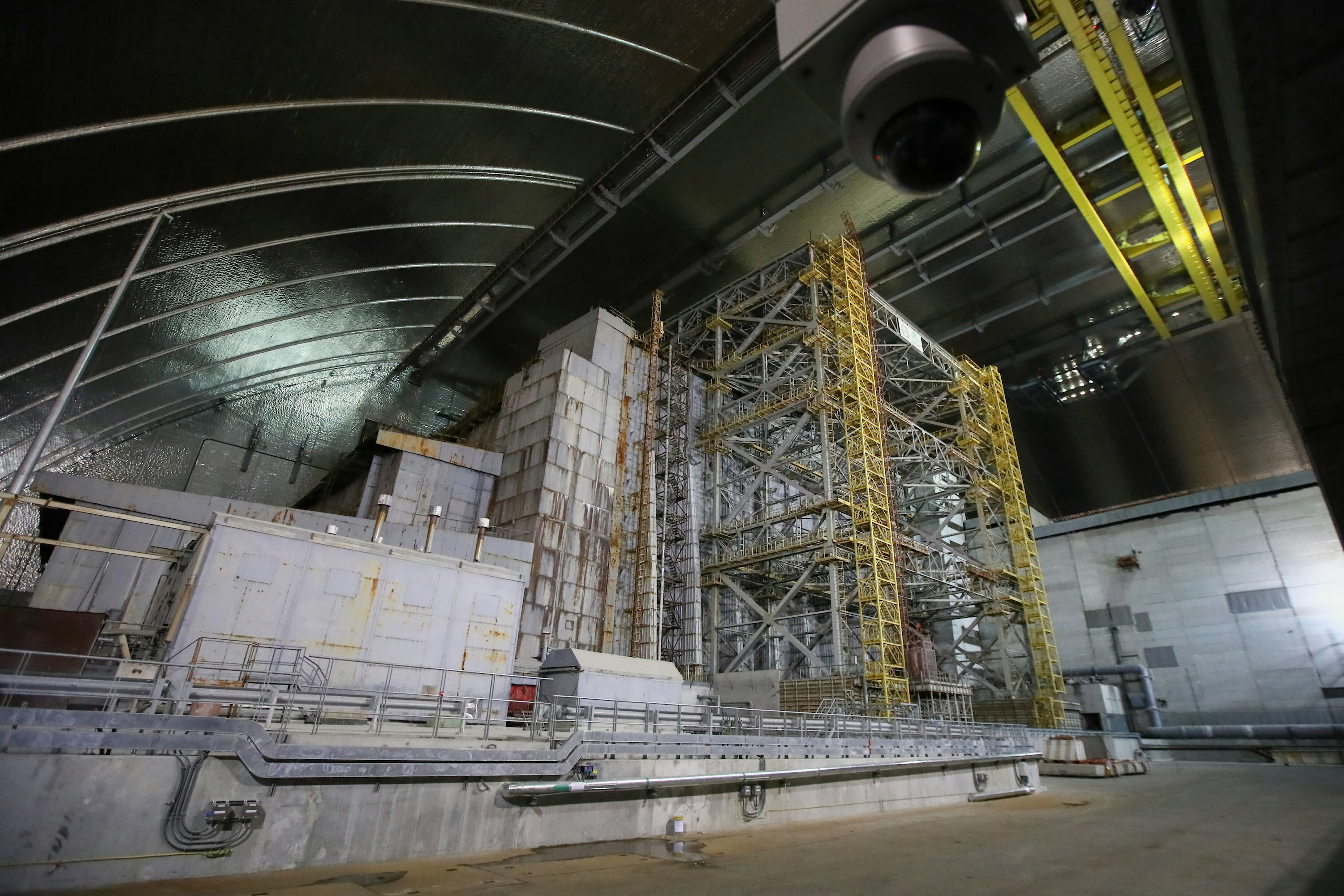 Tons of nuclear waste in the ruined basement of Chernobyl's Unit Four reactor are beginning to react again, and it could explode within years, scientists say.
Condors won't stop visiting (and trashing) this California woman's house. Here's why.
Live Science - 14 May 2021 18:48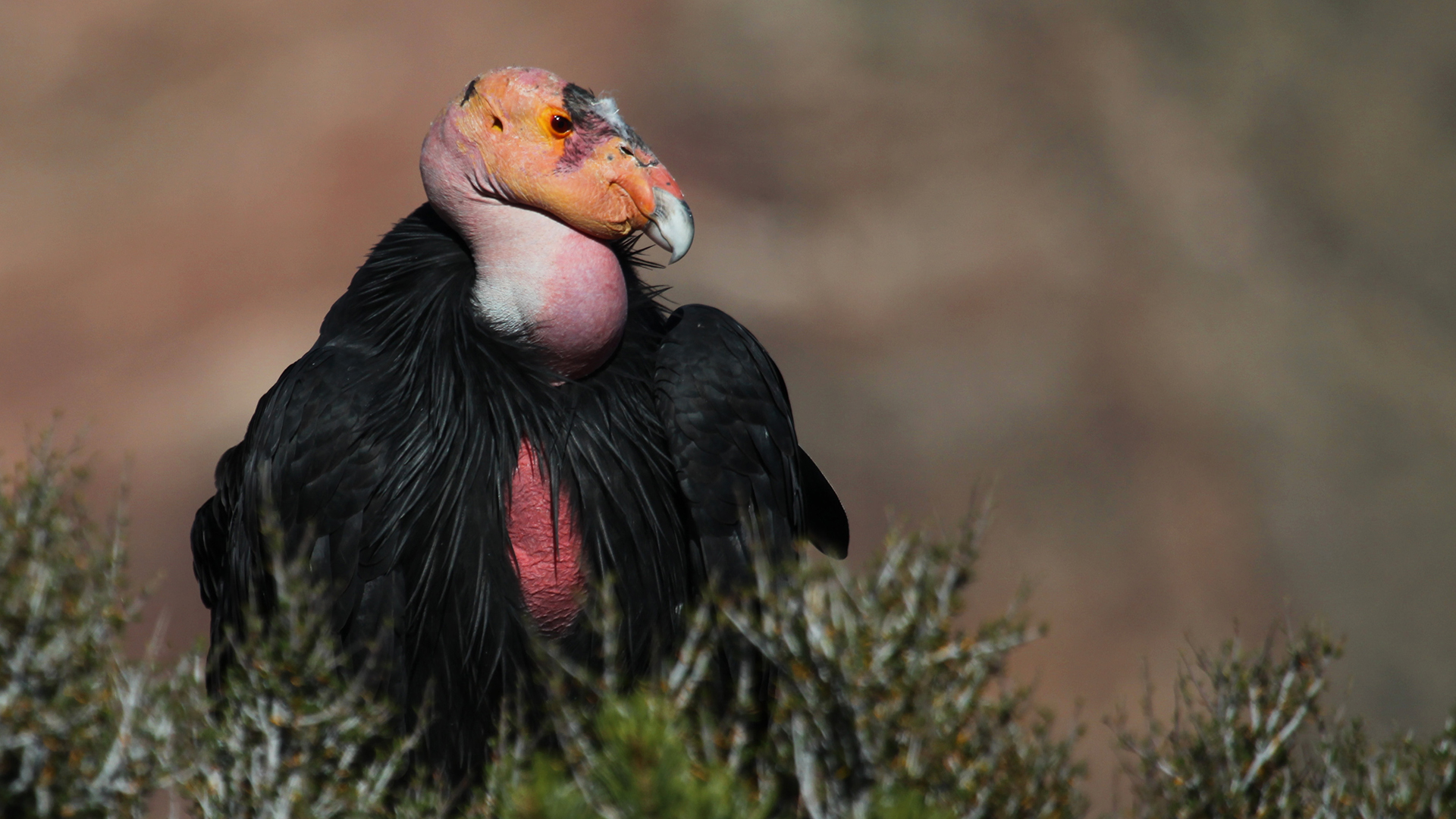 More than a dozen condors have been paying daily visits to a home in Tehachapi, California (and destroying nearly everything in sight).
Pigs can breathe through their butts. Can humans?
Live Science - 14 May 2021 18:43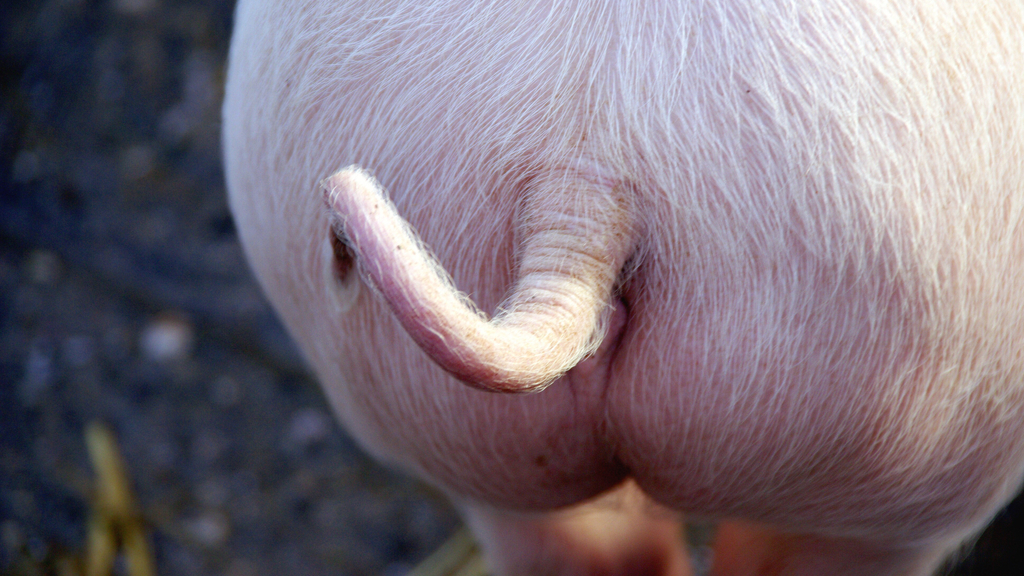 Assuming humans can also breathe with their intestines, the finding may have clinical applications.
Using micro-sized cut metal wires, team forges path to new uses for terahertz waves
Phys.org - 14 May 2021 18:05 Japanese researchers successfully tested reflectionless, highly refractive index metasurface that may eventually be used in practical applications to send, receive, and manipulate light and radio waves in the terahertz w...
Nanophotonics enhanced coverslip for phase imaging in biology
Phys.org - 14 May 2021 18:04 The ability to visualize transparent objects such as biological cells is of fundamental importance in biology and medical diagnostics. Conventional approaches to achieve this include phase-contrast microscopy and techniq...
Pigs can breathe oxygen via their rectum, so humans probably can too
New Scientist - 14 May 2021 18:00
Piping an oxygen-rich liquid into a pig's rectum can boost their blood oxygen, a step towards doing the same thing in people as a treatment to restore lung function
Depression and inflammation appear to be linked - but it's unclear why
New Scientist - 14 May 2021 16:55
People with depression have higher levels of inflammation in their bodies than those without, but it is unclear whether this link is purely genetic or also influenced by people's behaviour
 Global
 Great Britain
 Indian
 South Africa